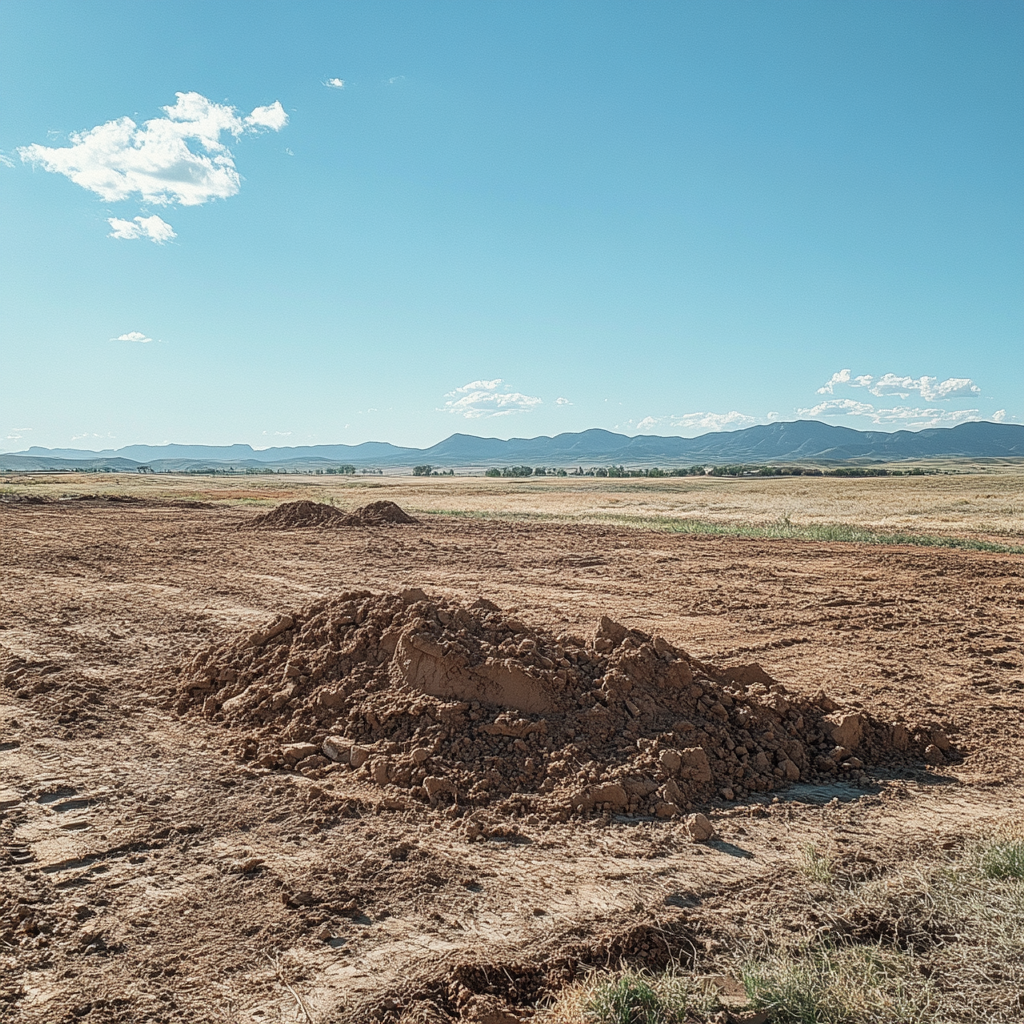
 The Land Shapes the Home

When it comes to building a custom home, the instinct for
many is to begin with the home itself. Architectural inspiration flows easily. Floorplans are imagined. Materials and textures begin to take form in the mind. But before the home can be designed, before a single line is drawn, the land must be chosen. And that decision will influence every aspect of what comes next.
Buying land in Colorado is a meaningful step in the custom home process. It is also one that requires foresight. The landscape is diverse, the permitting process varies by county and the nuances of topography, orientation and access play a much larger role than many anticipate. For those building a luxury home, especially at the $1.5 million level and above, the land is not just a parcel. It is the canvas. The environment. The experience. Choosing well means planning with purpose.
Beyond the View
It is easy to be captivated by views. Colorado offers a richness of scenery that is difficult to match. Rolling hills, alpine peaks and vast prairie stretches create a sense of freedom that draws many to build here in the first place. But the beauty of a view is not the only factor to consider. What the eye sees is only part of the equation. What lies beneath and around the land often holds more weight in the building process.
Soil composition, drainage patterns and slope will all determine what kind of foundation can be poured. Access to utilities and road frontage can influence both design and cost. Zoning regulations may impact building height, footprint and even allowable outbuildings. In some cases, the land you fall in love with may come with hidden restrictions that quietly complicate the entire project. It is not about avoiding complexity. It is about being prepared for it.
Consulting Before Committing
One of the most common missteps in the custom home journey is purchasing land before speaking with a builder. While it may seem intuitive to secure the property first, bringing a builder into the conversation early ensures the land aligns with your goals for the home. A builder brings experience not only in design and construction, but in land evaluation. They understand how to assess what is visible and anticipate what is not.
From determining whether the slope will allow for a walkout lower level to evaluating sun exposure for passive energy performance, early insight from a builder can save both time and budget. This collaborative approach allows you to see the land not just for what it is, but for what it can support.
The Rhythm of Rural Colorado
For clients building on acreage or in more remote parts of Colorado, it is essential to understand how rural infrastructure can affect a build. Septic systems, wells, propane heating and private driveways all bring added layers to the planning process. They also influence timelines and permitting. While these elements are entirely manageable, they require early coordination with both the design team and local officials.
Rural settings also bring opportunities. More expansive building envelopes, greater privacy and deeper integration with the land itself. For those building at the luxury level, rural properties offer the chance to create something truly tailored. A retreat that is connected to the land in both form and spirit.
Design Responds to Place
Once land is selected, the design can begin in earnest. But in the best custom homes, design does not dominate the site. It responds to it. The orientation of the home can frame sunrise or shield from prevailing winds. Outdoor spaces can be positioned for privacy without sacrificing views. Even the material palette may shift based on the colors and textures of the surrounding terrain.
When land is chosen with care, the home begins to feel inevitable. As if it belongs. As if the place had been waiting for it all along. That sense of harmony does not come from luck. It comes from thoughtful decisions made at the very beginning.
Building From the Ground Up Begins With the Ground
In Colorado, land is never just land. It is slope and soil and sun. It is county requirements and utility access. It is potential and limitation woven together. For those who understand this, selecting a homesite becomes more than a transaction. It becomes the first design decision. One that shapes every detail that follows.
When you begin with the land, you begin with the truth of the place. And when you build from that truth, the home becomes something more. Not just a structure in the landscape, but a part of it.