
Quick Answer
Choosing a custom home builder in Boulder should start with the property, the process, and the builder’s ability to coordinate design with budget and buildability. Boulder-area homes often involve site, slope, views, access, design expectations, and local requirements that should be understood early.
The right builder should help translate the vision into practical decisions, keep the team aligned, and communicate clearly before and during construction.
Table Of Contents
- Boulder-Area Homes Need Practical Planning
- The Site Should Shape The Plan
- Design And Budget Need To Stay Connected
- Coordination Makes The Experience Smoother
- Communication Should Feel Calm And Clear
- Questions To Ask Before Choosing A Boulder Custom Home Builder
- FAQ
Building a custom home in Boulder starts with a vision, but it also depends on thoughtful planning. The property, the architecture, the budget, the surrounding landscape, and the building process all need to work together. When those pieces are handled carefully from the beginning, the experience is easier to understand and the finished home is stronger for it.
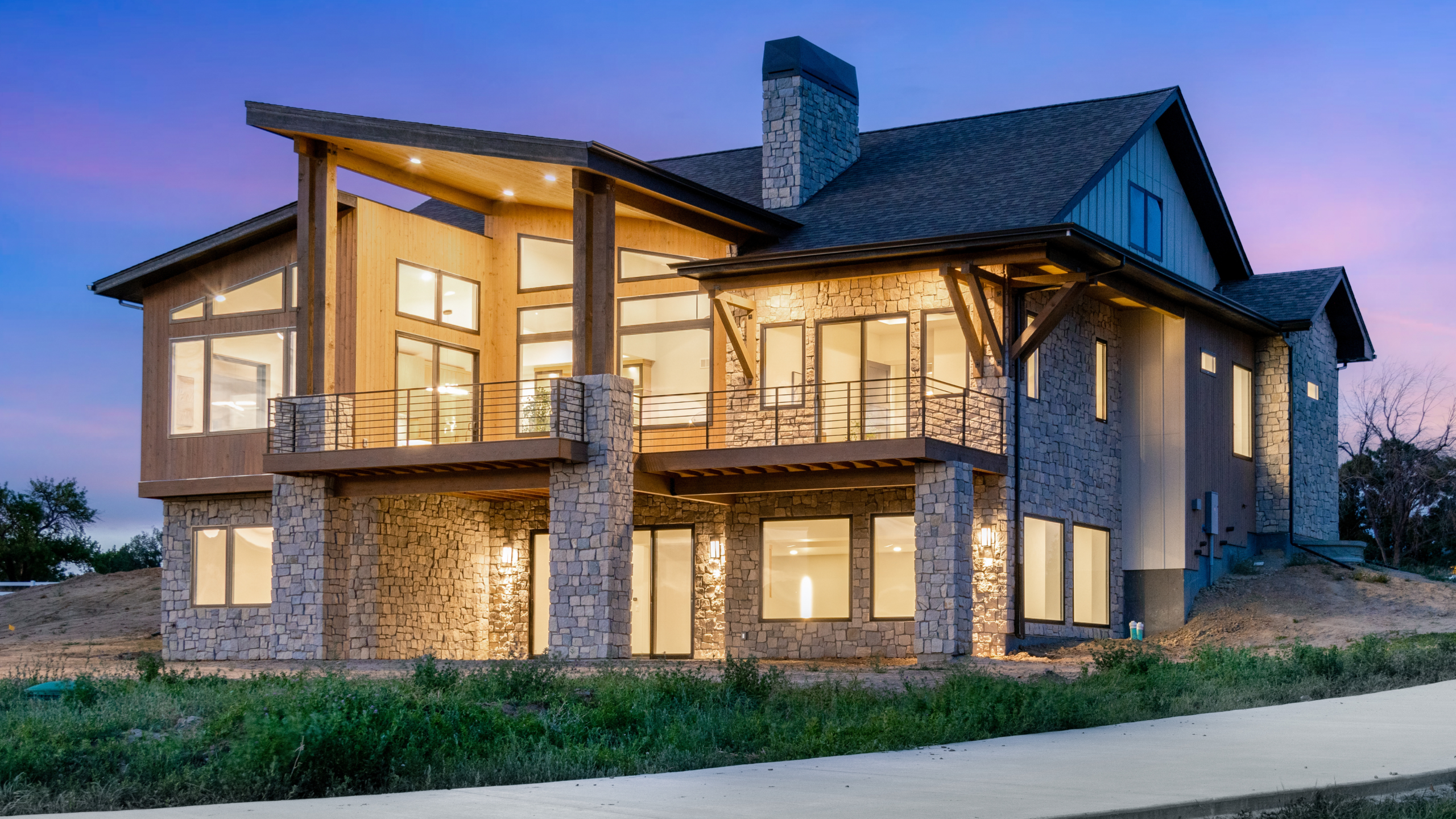
For homeowners comparing builders in Boulder or Boulder County, portfolio photos are a natural place to start. They help you see a builder’s craftsmanship, design range, and sense of detail. But a custom home is shaped by much more than the finished photographs.
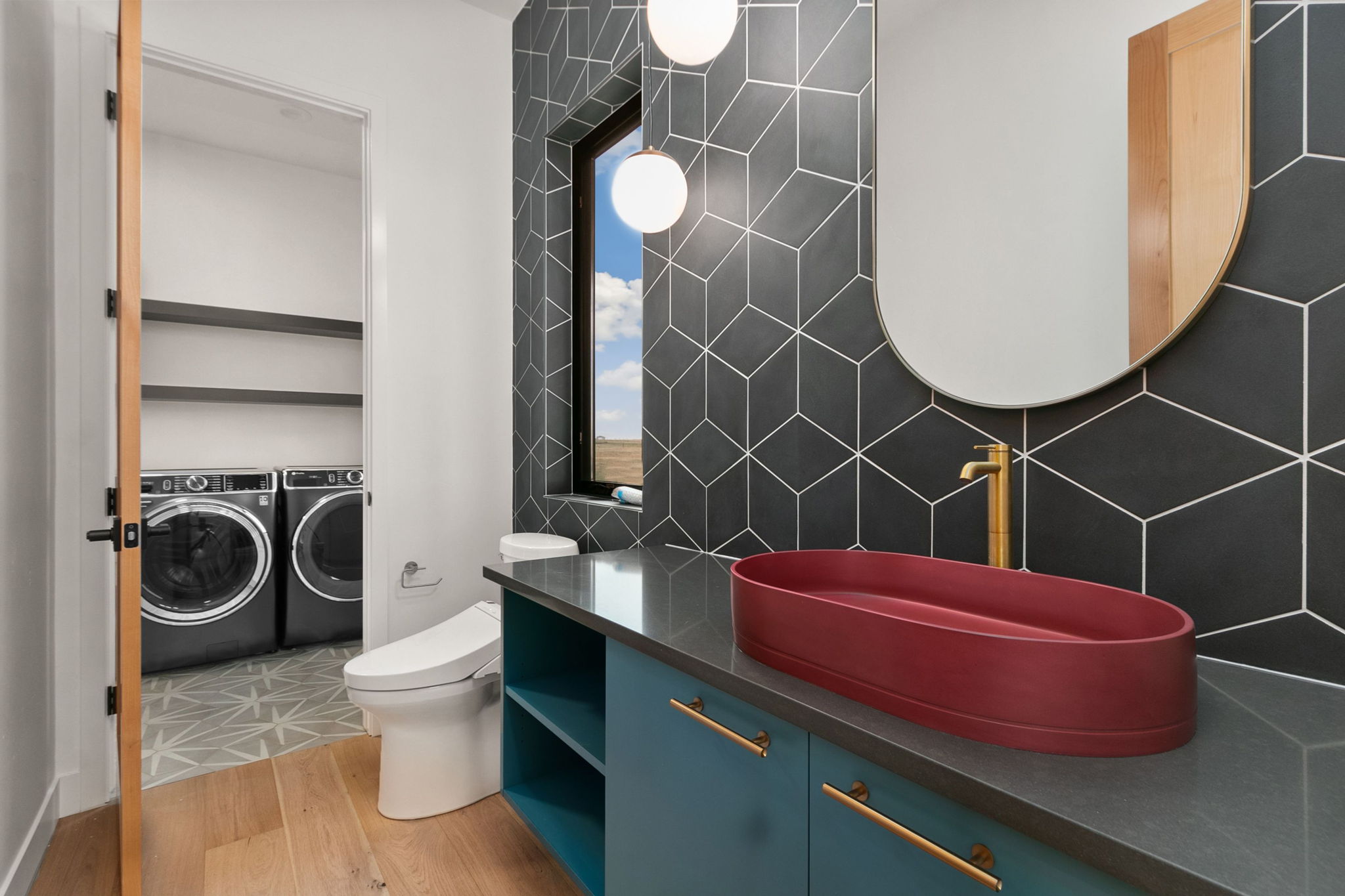
The right builder should help you understand how the home will come together, what decisions need to be made early, and how the vision can be built with clarity and care.
Boulder-Area Homes Need Practical Planning
Boulder is a distinctive place to build. Some homes are tucked into established neighborhoods. Others are shaped by foothill views, slope, open space, mature trees, privacy needs, or more complex site conditions. Nearby communities across Boulder County can bring their own design expectations, review processes, access questions, and property considerations.
That does not mean the process needs to feel overwhelming. It does mean early planning matters.
For a practical list of Boulder custom home planning questions to bring into that conversation, review the planning guide.
A good builder will help connect the design conversation to the practical realities of the site. Where should the home sit on the property? How will the driveway work? What views should be protected? How will sunlight, drainage, slope, utilities, and outdoor living areas affect the plan?
Those questions are easier to answer before the design has moved too far forward.
The Site Should Shape The Plan
In Boulder and the surrounding area, the land often plays a major role in the final home. A flat infill lot, a rural property, and a foothill site can each require a different approach.
Slope can affect excavation, foundation design, access, drainage, and cost. Utility access can influence the budget and timeline. Soil conditions may require additional engineering. Views may change how the home is oriented. Privacy, wind, sun exposure, wildfire considerations, and outdoor living goals can all shape the way the home is designed.
This is why it helps to involve a builder early, especially if you already own land or are still evaluating a property. The goal is not to slow the process down. The goal is to make better decisions before the project becomes more expensive to change.
Design And Budget Need To Stay Connected
Many homeowners begin with a strong sense of what they want the home to feel like. That is a good thing. A custom home should reflect the way you live, entertain, work, rest, and spend time with the people closest to you.
At the same time, design decisions should stay connected to the budget from the beginning.
Size, structural complexity, window packages, exterior materials, rooflines, outdoor spaces, interior finishes, energy performance, and site work can all influence cost. A beautiful design can become frustrating if the budget conversation happens too late.
A strong builder helps make those tradeoffs easier to understand. They can explain what is driving cost, where early assumptions may need to be refined, and how to protect the most important parts of the home while making practical decisions elsewhere.
Coordination Makes The Experience Smoother
Custom building requires coordination between the homeowner, builder, architect, designer, engineers, trade partners, and project team. In Boulder-area projects, that coordination can be especially important because design goals and site realities often meet in very specific ways.
The builder should be able to work with the design team early, review constructability, discuss budget implications, and help keep the process moving with fewer surprises.
When that coordination is missing, decisions can become reactive. Details may be resolved late. Costs may become harder to understand. Questions may linger longer than they should.
When the team is aligned, the project feels more organized. The homeowner has a clearer sense of what is happening, why it matters, and what comes next.
Communication Should Feel Calm And Clear
A custom home includes many decisions. Some are large and obvious. Others are small but still meaningful. Either way, homeowners should know how those decisions will be handled.
Before choosing a builder, ask how communication works. Who is your main point of contact? How are updates shared? How are decisions documented? How are changes reviewed? How are questions handled when the design, budget, or site conditions need another look?
The answers should feel steady and specific.
Good communication does not mean there will never be changes or challenges. It means you understand how the builder will guide you through them.
Look For Fit, Not Just Style
Style matters, but fit matters just as much.
The right builder should understand the kind of home you want to create, but they should also understand how to guide the process behind it. They should be able to talk through land considerations, design coordination, budget planning, scheduling, selections, communication, and the practical steps between the first conversation and the finished home.
You should feel that the builder is listening carefully, asking useful questions, and helping you think about the home from every angle.
That kind of fit is important because a custom home is not a quick transaction. It is a working relationship built around trust, decisions, and a shared commitment to the final result.
Questions To Ask Before Choosing A Boulder Custom Home Builder
Before making a decision, it can help to ask:
- How do you evaluate a property before design or construction begins?
- What Boulder-area site conditions should we think about early?
- How do you help connect design decisions to the budget?
- How do you coordinate with architects, designers, and engineers?
- Who will guide us through selections and project decisions?
- How are changes reviewed and approved?
- How often will we receive updates?
- What types of properties or project conditions are you most experienced with?
- How do you help homeowners avoid preventable surprises?
The strongest answers are usually clear, practical, and grounded in real process.
FAQ
What should Boulder homeowners consider before choosing a builder?
They should consider property conditions, design review expectations, access, slope, views, budget, communication, and how the builder coordinates with architects, designers, and engineers.
Should the land influence the floor plan?
Yes. In Boulder and Boulder County, slope, views, sun exposure, privacy, drainage, and access can all affect how the home should sit on the property and how the layout should work.
What is the risk of designing before involving a builder?
The design may move forward without enough attention to budget, structure, site conditions, or construction details. Early builder involvement can help avoid late surprises.
How do I compare Boulder custom home builders?
Compare more than style. Look at process, communication, site experience, design coordination, budget approach, portfolio relevance, and whether the builder understands the kind of property you are building on.
Related NoCO Resources
The Takeaway
Choosing a custom home builder in Boulder is about more than finding someone who can build a beautiful home. It is about choosing a team that can help you understand the property, shape the design, plan the budget, coordinate the details, and communicate clearly from beginning to end.
For Boulder-area homeowners, that kind of guidance can make the process feel more thoughtful and more manageable.
If you are beginning to explore a custom home in Boulder, Boulder County, or along the Front Range, NoCO Custom Homes can help you think through the early questions and move forward with more clarity.