
Quick Answer
Custom home plans in Colorado should be chosen around lifestyle, land, budget, and buildability, not square footage alone. A strong plan should support daily routines, views, outdoor living, privacy, garage needs, future flexibility, and the specific property where the home will be built.
Many homeowners can start from an existing floor plan and customize it thoughtfully. Others may need a fully custom plan. The right path depends on how well the plan fits the property and the way the home needs to live.
Table Of Contents
- Start With How You Actually Live
- Let The Land Influence The Layout
- Square Footage Is Only One Part Of The Decision
- Budget And Buildability Should Stay In The Conversation
- Customizing A Plan Should Be Intentional
- Questions To Ask Before Choosing A Custom Home Plan
- FAQ
For many homeowners, the floor plan is the first part of the custom home process that starts to feel real. It gives shape to the ideas you have been carrying around: the kitchen where everyone gathers, the primary suite that feels calm at the end of the day, the garage that actually works for your life, the outdoor spaces that make Colorado living feel worth planning around.
That is why choosing a floor plan matters.
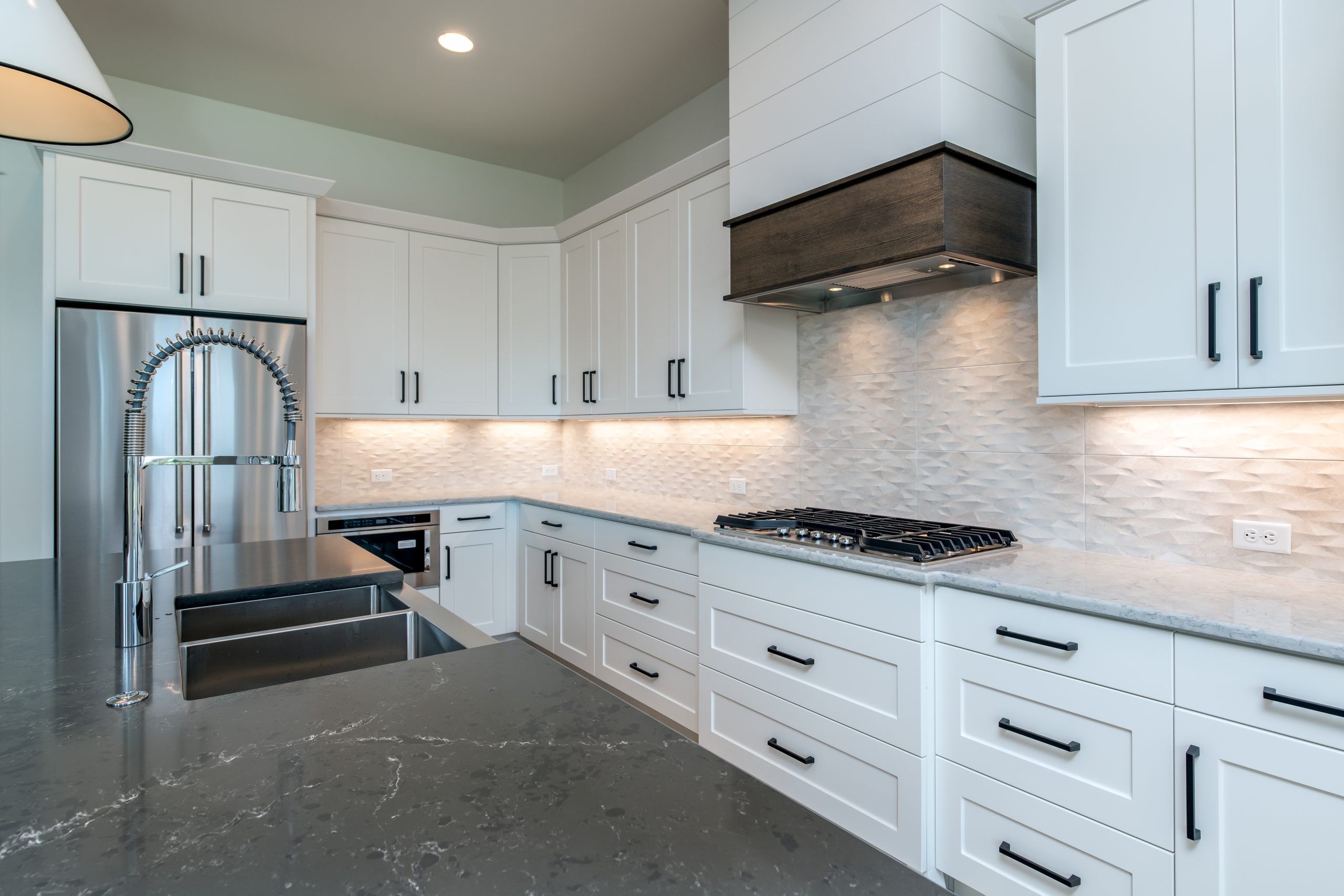
At the same time, a good custom home plan is about more than room count and square footage. The right layout should fit the way you live, the land you are building on, the budget you want to protect, and the long-term use of the home.
In Colorado, those early decisions matter even more because the property itself often has a voice in the design.
Start With How You Actually Live
A floor plan should begin with daily life, not just style.
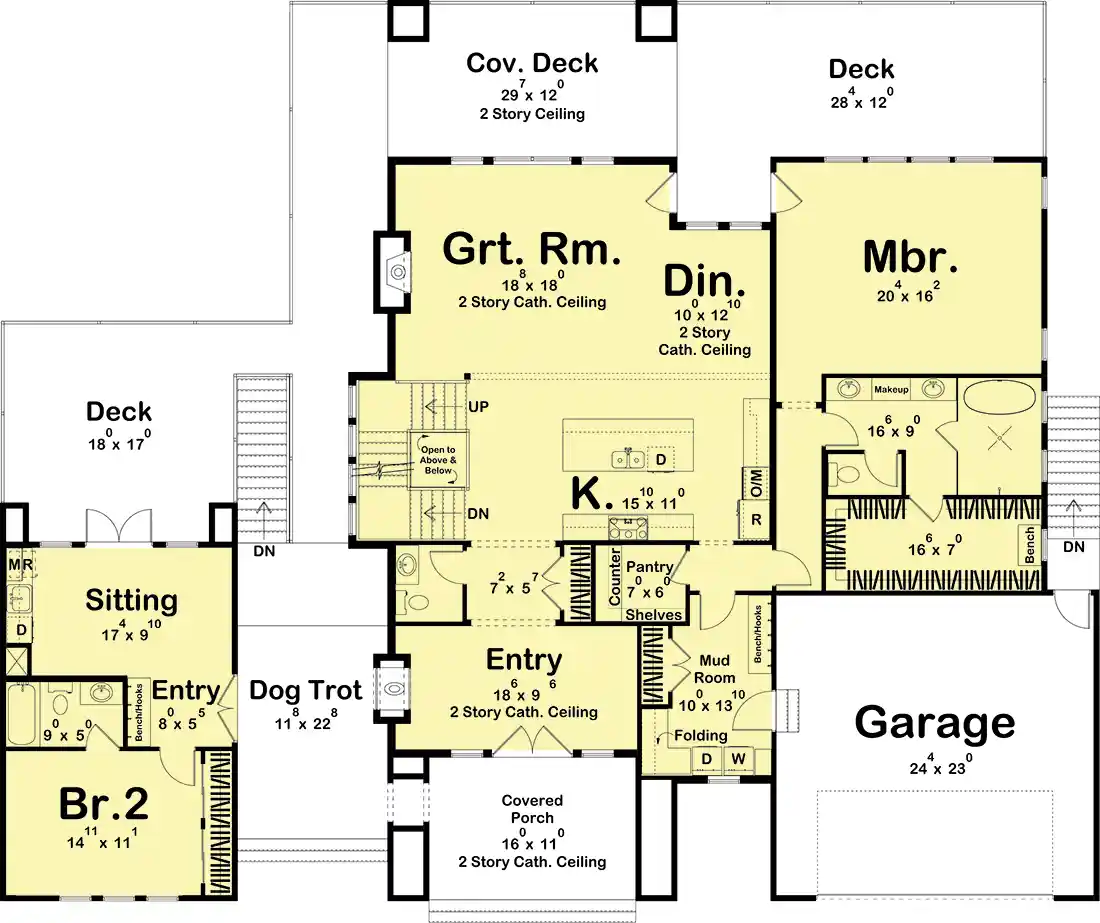
Use this custom floor plan lifestyle checklist to compare daily routines, storage, guests, outdoor living, and future needs before the layout becomes too fixed.
Before focusing on exterior elevations or finishes, think about how the home needs to function. How do you enter the home on a normal day? Where do backpacks, boots, groceries, gear, and packages land? How often do guests stay over? Do you need a private office, a main-floor primary suite, a multigenerational layout, or flexible rooms that can change over time?
These questions may seem simple, but they shape the plan in meaningful ways.
A home that looks beautiful on paper can still feel frustrating if the flow does not match the household. A thoughtful plan should make daily routines easier, create comfortable gathering spaces, and give private areas the quiet they need.
That balance is one of the reasons many homeowners start with an existing floor plan and then customize it. A strong plan gives you a foundation. The right adjustments make it yours.
Let The Land Influence The Layout
In Colorado, the property should be part of the floor plan conversation from the beginning.
A plan that works beautifully on one lot may need changes on another. Slope, views, sun exposure, driveway access, drainage, utility locations, outdoor living goals, and privacy all influence how the home should sit on the land. This guide to views, sun, and outdoor living in a Colorado custom home offers a practical way to compare those site relationships before the layout becomes too fixed.
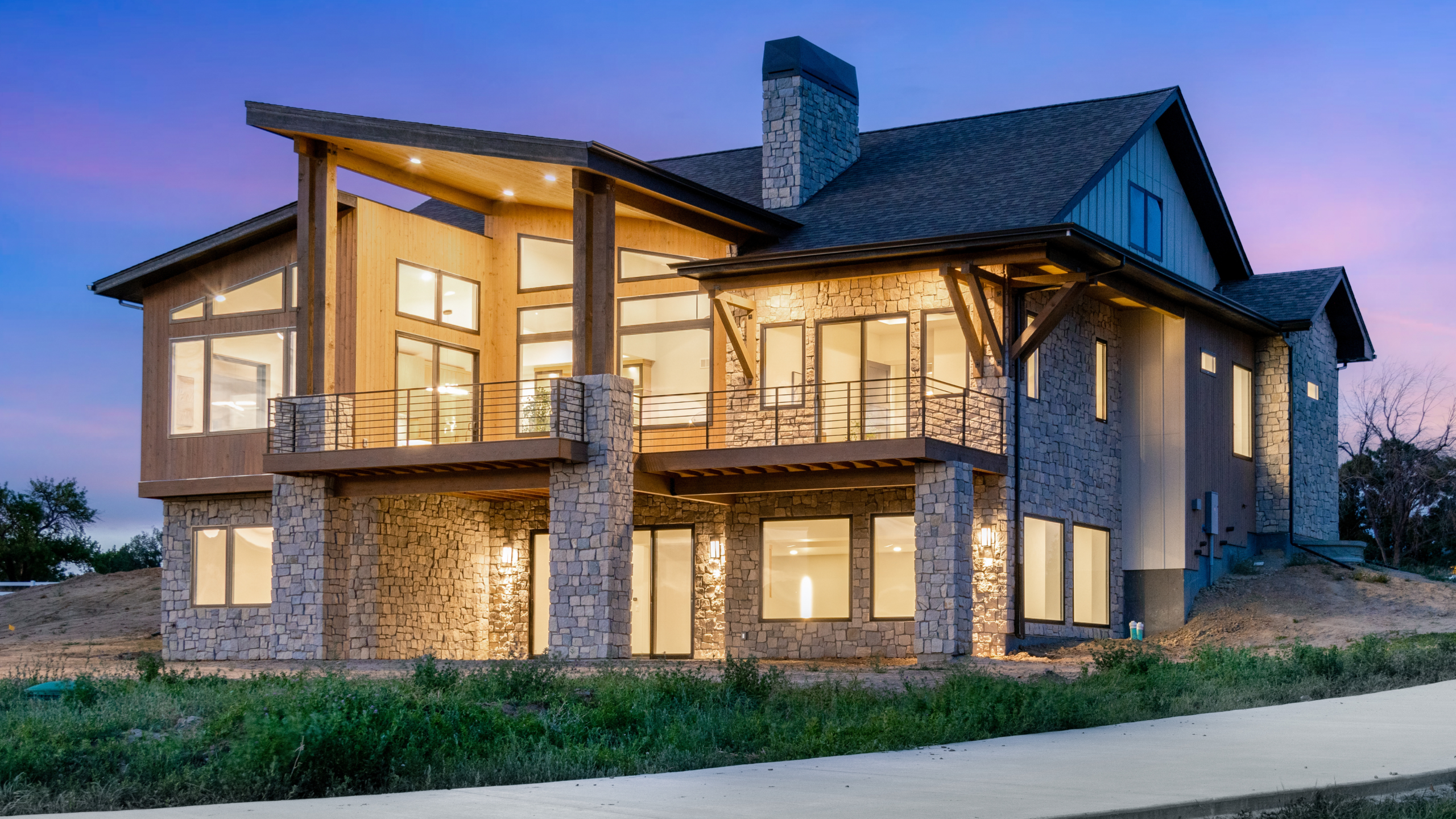
If the best views are to the west, the layout may need to protect those sightlines while still managing afternoon sun. If the property has slope, the lower level, garage placement, deck design, and foundation approach may need to be considered early. If the lot has acreage, the relationship between the home, driveway, outdoor areas, and future improvements can become part of the planning.
This is where a custom floor plan becomes more than a drawing. It becomes a way to connect the home to the property.
Square Footage Is Only One Part Of The Decision
Square footage matters, but it should not be the only way you judge a plan.
Two homes with the same square footage can live very differently. One may feel open, practical, and calm. Another may feel inefficient because too much space is lost to hallways, awkward room shapes, or areas that do not support the way the homeowner lives.
Room placement matters. Storage matters. Circulation matters. Natural light matters. Ceiling heights, window placement, garage access, outdoor connections, and the relationship between public and private spaces all affect how the home feels.
The better question is not always, “How big should the home be?”
The better question is, “How should the home live?”
Budget And Buildability Should Stay In The Conversation
It is easy to fall in love with a floor plan before understanding what it may take to build. That is normal. It is also why the plan should be reviewed through the lens of budget and buildability early.
Some design choices can add complexity quickly. Large spans, extensive glass, complicated rooflines, deep overhangs, multiple outdoor living areas, structural changes, and challenging site conditions can all affect cost.
That does not mean those features should be avoided. It means they should be understood.
A thoughtful builder can help explain which parts of a plan are likely to have the biggest impact on budget, which changes may be simple, and which ideas need more careful review. This kind of guidance helps homeowners make confident decisions before the design moves too far forward.
Customizing A Plan Should Be Intentional
Customization is one of the advantages of building a custom home, but not every change carries the same value.
Some changes make the home significantly better for the way you live. Moving a wall, expanding the garage, adding a main-floor suite, adjusting window placement, creating a larger pantry, changing the mudroom, or reworking the indoor-outdoor flow can all make the home feel more personal and more functional.
Other changes may look small but affect structure, cost, or schedule more than expected.
The goal is not to customize everything. The goal is to customize the right things.
When reviewing a plan, it helps to separate your must-haves from your preferences. Must-haves are the parts of the home that affect daily life, long-term comfort, or the reason you are building in the first place. Preferences are still important, but they may have more flexibility if the budget or site requires adjustments.
Match Architectural Style With Daily Function
Colorado homes can take many forms: mountain retreat, modern farmhouse, contemporary, craftsman, Nordic modern, modern transitional, and many combinations in between.
Style matters. The exterior should feel aligned with your taste, your property, and the setting around it. But style should also work with the way the home functions.
For example, a mountain-inspired home may emphasize views, natural materials, outdoor living, and a strong connection to the landscape. A modern transitional home may focus on clean lines, warm finishes, and flexible gathering spaces. A craftsman-style home may lean into detail, proportion, and comfortable everyday function.
The best plan brings style and livability together. It should not ask you to choose between a home that looks right and a home that works well.
Existing Plans Can Be A Smart Starting Point
Starting from an existing floor plan can be helpful because it gives the conversation structure. You can react to something real. You can see what you like, what you would change, and what does not fit.
That can make the early process more efficient.
An existing plan can also help clarify priorities. You may discover that the garage matters more than expected, that a main-floor guest suite is important, or that the kitchen and outdoor living connection is central to how you want the home to feel.
From there, the plan can be adjusted with more purpose.
Questions To Ask Before Choosing A Custom Home Plan
Before committing to a direction, ask:
- Does this plan fit the way we live day to day?
- Does it work with the land, views, driveway, and outdoor spaces?
- Are the most important rooms placed where they make sense?
- Does the square footage feel efficient?
- What changes would make the biggest difference?
- Which features could affect budget or buildability?
- Does the plan support future needs?
- How much customization is realistic before it becomes better to start from scratch?
- Does the architectural style fit the property and the way we want the home to feel?
The answers should help you move from inspiration to clarity.
FAQ
What makes a good custom home plan in Colorado?
A good plan fits the homeowner’s lifestyle, the land, the budget, the views, the garage and storage needs, outdoor living goals, and long-term flexibility.
Can I customize an existing floor plan?
Yes. Existing plans can be a smart starting point when they already fit many of your needs. The most useful changes are the ones that improve daily function, land fit, and long-term comfort.
Should I choose a floor plan before buying land?
It is usually better to keep the plan flexible until the land is understood. The lot can affect orientation, foundation, garage placement, outdoor living, views, and cost.
Is square footage the best way to compare plans?
No. Square footage matters, but layout efficiency, room placement, storage, circulation, light, outdoor connections, and buildability often matter just as much.
Related NoCO Resources
The Takeaway
Choosing a custom home plan in Colorado is not just about finding a layout that looks good. It is about finding a starting point that fits your land, your lifestyle, your budget, and the way you want the home to support your life over time.
The right plan should make decisions clearer. It should help the builder, designer, and homeowner move in the same direction. It should give structure to the vision without limiting what matters most.
If you are beginning to explore floor plans, NoCO Custom Homes offers a collection of customizable designs that can be adapted around your goals, your property, and the way you want to live in Colorado.