
True Value of a $1.5M Custom Home in Colorado's Market
Homeowners planning a custom home in Northern Colorado have a lot to think through before design and construction begin. This guide walks through $1.5M custom home Colorado in a practical way, with the details that matter most when planning a home that fits the land, lifestyle, and budget.
Quick Answer
If you are researching $1.5M custom home Colorado, the most important thing is to connect the design idea to the way the home will actually be used. A custom home should make daily life easier, support long-term plans, and fit the land, budget, and lifestyle of the homeowner.
Original Guidance, Reorganized
Beyond Price Per Square Foot: Defining Luxury in Colorado
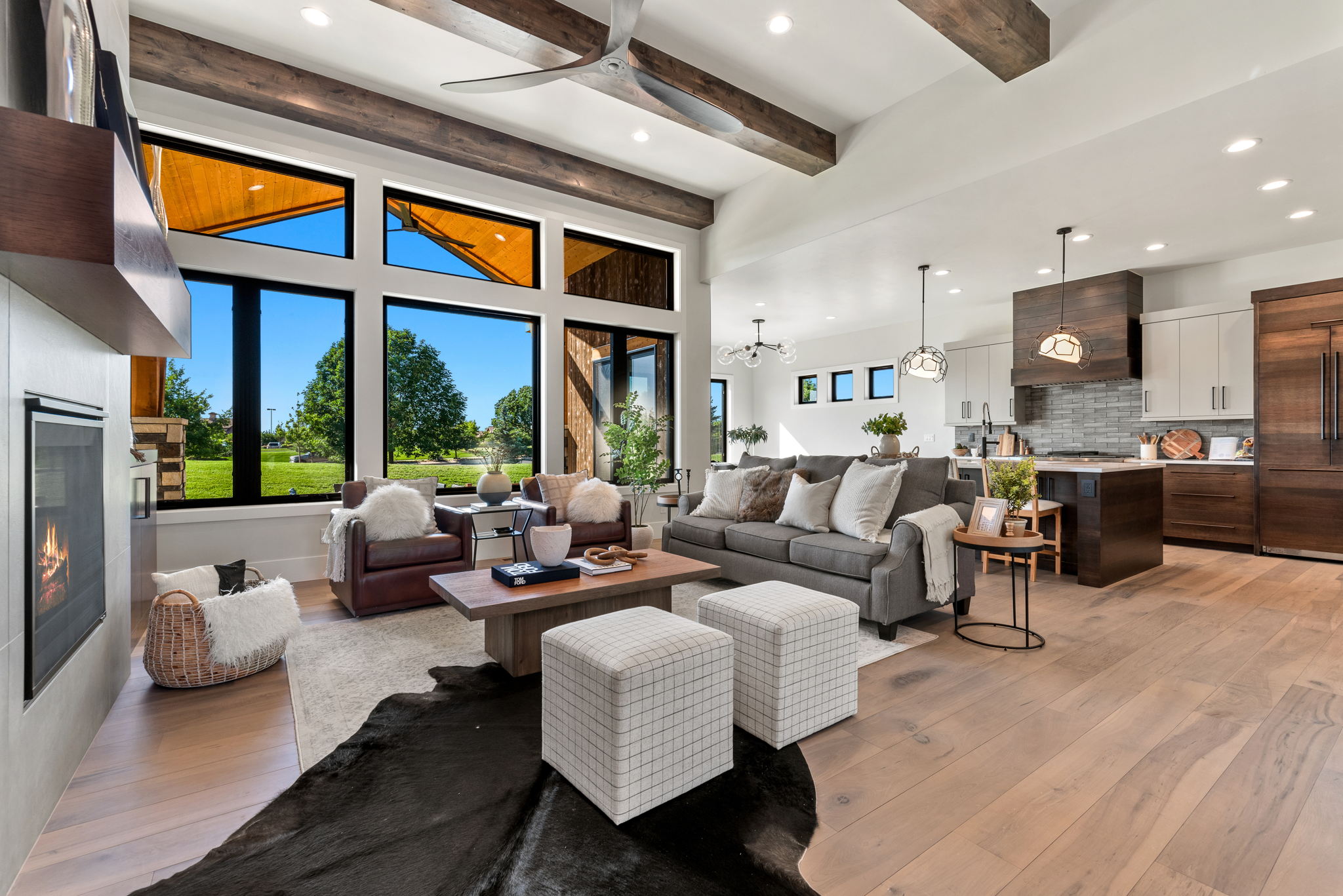
Your $1.5 million custom home is filled with well-considered design. These residences are never exactly the same. Rather, they are thoughtfully constructed representations of the lives that are lived within them. Spacious, practical, and finished with materials that are as long-lasting as they are aesthetically pleasing, kitchens become gathering spots rather than merely showpieces. With warm textures, custom millwork, and natural light that changes throughout the day, living spaces provide both intimacy and openness.
Primary suites are retreats rather than just places to sleep. Imagine boutique-style dressing rooms, spa-inspired bathtubs, and peaceful nooks that beckon rest. This is a quiet luxury. It permeates every room's harmony of aesthetics and functionality, the tranquility of the design, and the caliber of the materials.
A Location That Elevates the Everyday
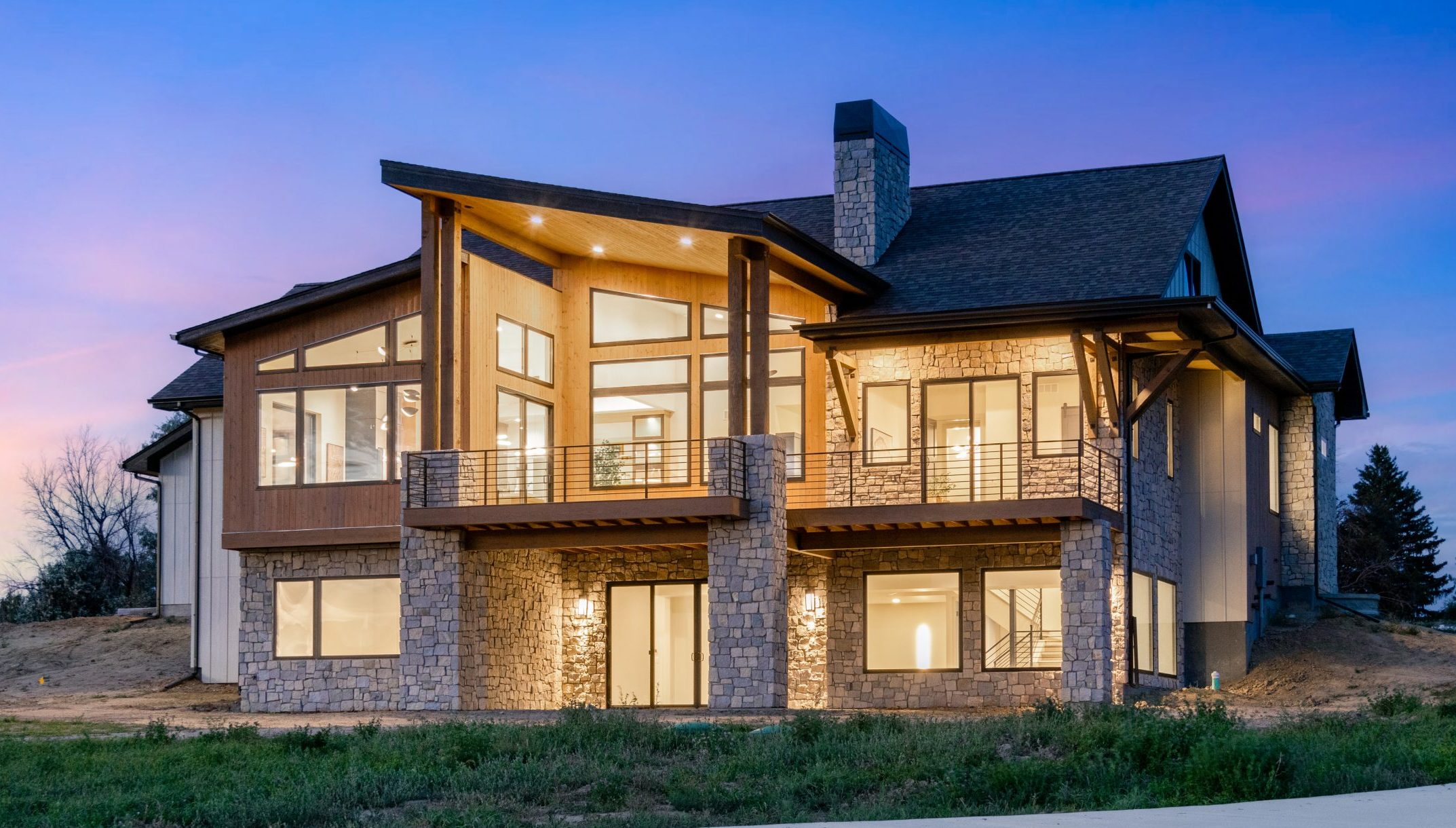
Your home's setting, not its walls or finishes, is where your investment starts. A variety of outstanding home sites, mountain-facing acreage, hidden parcels close to lakes or golf courses, and foothill retreats that combine seclusion and accessibility can be found in Northern Colorado.
Our clients are able to give the land the same priority as the architecture when they have a healthy budget. Additionally, your home's location becomes a crucial component of its luxury in Colorado, where landscape and lifestyle are intertwined.
Designing from the Inside Out
Details That Make the Difference
What distinguishes a custom home at this level is rarely what first meets the eye. Yes, there are high-end appliances, designer lighting, and premium finishes, but true luxury is found in the less visible layers. It's the comfort of radiant floor heating on a cold Colorado morning. The silence of expertly installed insulation. The grace of a home that flows seamlessly from space to space, because every inch was considered.
These homes are designed to respond to the needs of their owners, whether that means an oversized pantry for entertaining, a private office that encourages focus, or a detached guest casita to welcome extended family. It's not about excess, it's about intentionality.
The Process Is Part of Luxury
A custom home at this level is rarely distinguished by its appearance. Premium finishes, designer lighting, and expensive appliances are all present, but the hidden layers are where real luxury lies. On a cold Colorado morning, it's the coziness of radiant floor heating. the quiet of well-executed insulation. the elegance of a house that blends well with its surroundings because every square inch was taken into account.
Whether that means a detached guest casita to welcome extended family, a private office that promotes focus, or an expansive pantry for entertaining, these homes are made to meet the needs of their owners. Intentionality is more important than excess.
A Legacy Worth Building
A $1.5 million custom home is the result of years of planning and more than just a long-held dream for many of our clients. It's an opportunity to design a space that complements their current way of life while simultaneously anticipating their future. These houses are designed to endure, to change with the times, and to accept the people who are most important.
In the current market, this investment creates opportunities for living fully, beautifully, and according to your own terms, in addition to real estate value.
A Thoughtful Invitation to Begin
We encourage you to start the discussion if you've been thinking about what it means to create something genuinely unique in Northern Colorado. This is not a sales pitch. It's an open door to explore what's possible when quality, vision, and craftsmanship come together.
Because what you build with NoCO Custom Homes is more than just a house. It's the next phase of your life, tailored to your preferences.
Interested in creating a house that suits your family?
Together, let's create something!
What This Means for a Custom Home Project
The key takeaway is to make the decision early enough that it can shape the floor plan, selections, budget, and construction approach. When the builder is involved before the final choices are locked in, the home can be designed with fewer surprises and a clearer plan.
Helpful Next Steps
- Review Floor Plans: https://nococustomhomes.com/floor-plans/
- Review Process: https://nococustomhomes.com/process/
- Review Portfolio: https://nococustomhomes.com/portfolio/
- Review Contact: https://nococustomhomes.com/contact/
Frequently Asked Questions
What affects the value of a $1.5M custom home in Colorado?
Land, location, architecture, square footage, finishes, site conditions, energy features, and the builder's execution all affect value.
Does a higher budget always mean a larger home?
No. Many homeowners use the budget for better land, better materials, specialty spaces, or higher-quality finishes instead of only square footage.
Why does design planning matter at this price point?
Good planning helps the budget support the rooms, finishes, and long-term lifestyle priorities that matter most.
Ready to Talk Through Your Custom Home?
NoCO Custom Homes can help you think through the lot, layout, selections, budget, and design details before construction begins. When you are ready to plan the next step, schedule a consultation with the NoCO Custom Homes team.