
Quick Answer
Building on your lot in Colorado starts with understanding the land. Even if you already own property, the site still needs to be reviewed for access, utilities, soils, slope, drainage, zoning, jurisdictional requirements, home placement, budget, and design fit.
A custom homebuilder should be involved early enough to help you understand what the property can support before the design moves too far forward. That early guidance can help protect the budget, avoid preventable surprises, and shape a home that fits both the land and the way you want to live.
Owning land is a strong starting point. The next step is making sure the land, plan, budget, and building process are aligned.
Table Of Contents
- Owning Land Is A Strong Start, But It Is Not The Whole Plan
- Start With Site Feasibility
- Utilities And Access Can Shape The Budget
- The Land Should Influence The Home Design
- Budget And Financing Need Early Clarity
- Builder Involvement Should Happen Early
- Questions To Ask Before Building On Your Lot
- FAQ
Owning Land Is A Strong Start, But It Is Not The Whole Plan
Many homeowners feel a sense of momentum once they own land. That makes sense. The property gives the future home a place to belong.
But owning land does not automatically mean the property is ready for construction.
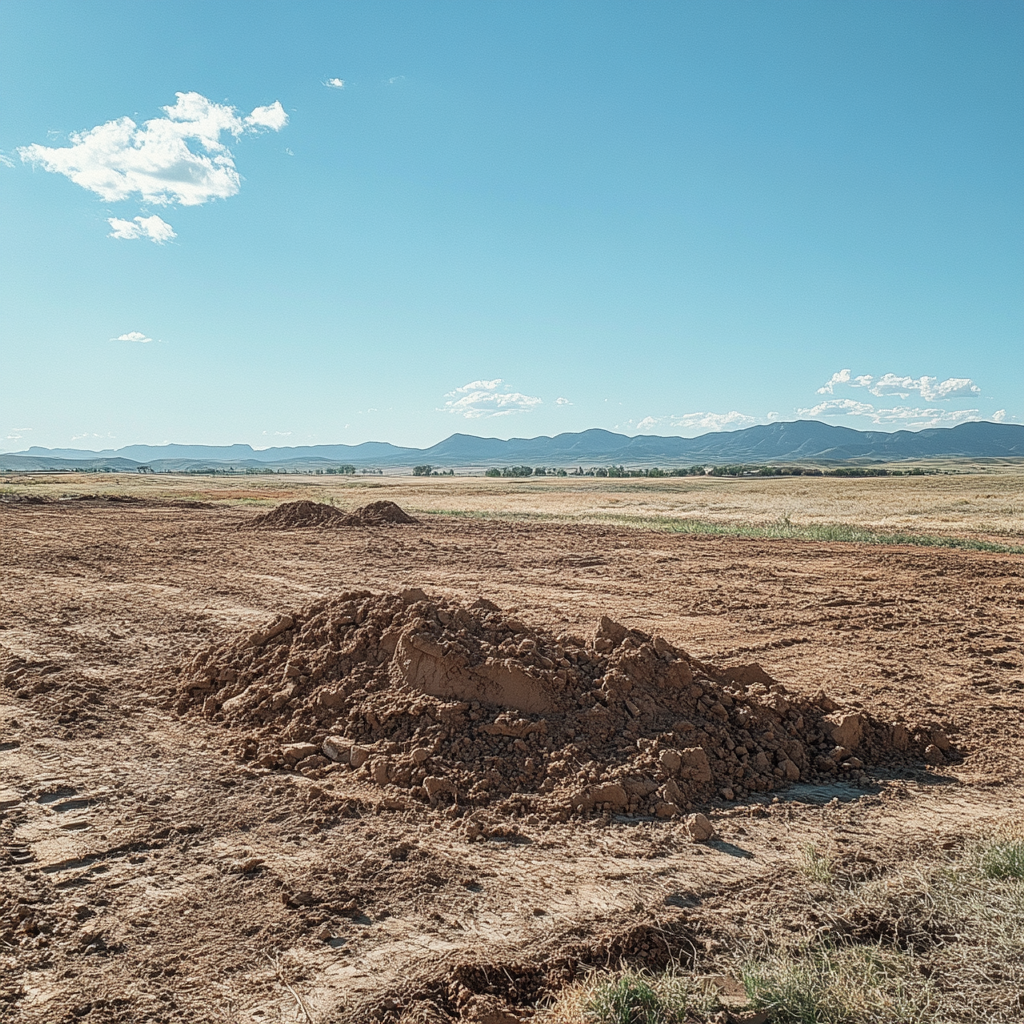
Before the home is designed in detail, the land needs to be studied carefully. A beautiful lot may still have questions around access, utilities, soils, grading, drainage, slope, easements, setbacks, fire mitigation, jurisdictional rules, or budget. Some of these details are simple to work through. Others can significantly affect the cost, layout, timeline, or feasibility of the project.
The goal is not to make the process feel intimidating. The goal is to understand the property early enough to make good decisions.
Start With Site Feasibility
Site feasibility is the practical review of whether the land can support the home you want to build.
That review may involve the builder, civil engineer, architect, surveyor, soils engineer, lender, and local jurisdiction. The exact team depends on the property and the project, but the questions are often similar.
Can the home be placed where you want it? Is there enough usable area? How will the driveway work? Where will water, sewer, septic, electric, gas, or propane come from? What does the slope require? Are there drainage concerns? Are there setbacks, easements, HOA requirements, or local rules that affect the plan?
These questions should be answered before the design becomes too fixed.
Utilities And Access Can Shape The Budget
Utilities and access are often two of the most important early considerations when building on your land.
Some properties already have easy access to water, sewer, electric, gas, and internet. Others may require wells, septic systems, longer utility runs, road improvements, driveway planning, or additional coordination before construction can begin.
Those details matter because they can affect both cost and timing.
A long driveway may change grading, drainage, snow removal, and daily use. Utility distance may affect site work and budget. A rural property may require more review around septic, well, fire access, or emergency services. A foothill or sloped property may require additional engineering and construction planning.
The earlier those details are understood, the easier it is to plan responsibly.
The Land Should Influence The Home Design
The best custom homes feel connected to their property.
That does not happen by accident.
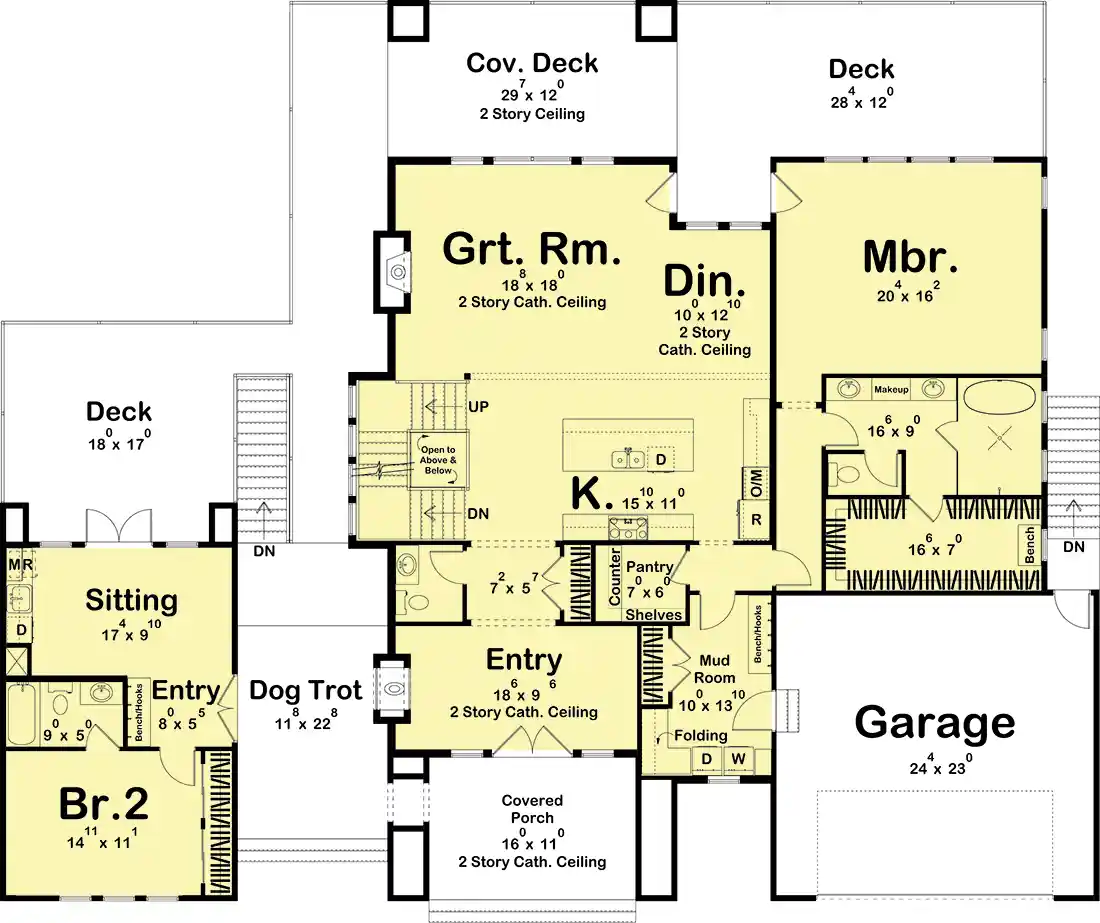
Views, sun exposure, wind, privacy, outdoor living, garage placement, driveway approach, slope, drainage, and natural features can all influence the floor plan and orientation of the home. A plan that works beautifully on one lot may need meaningful changes on another.
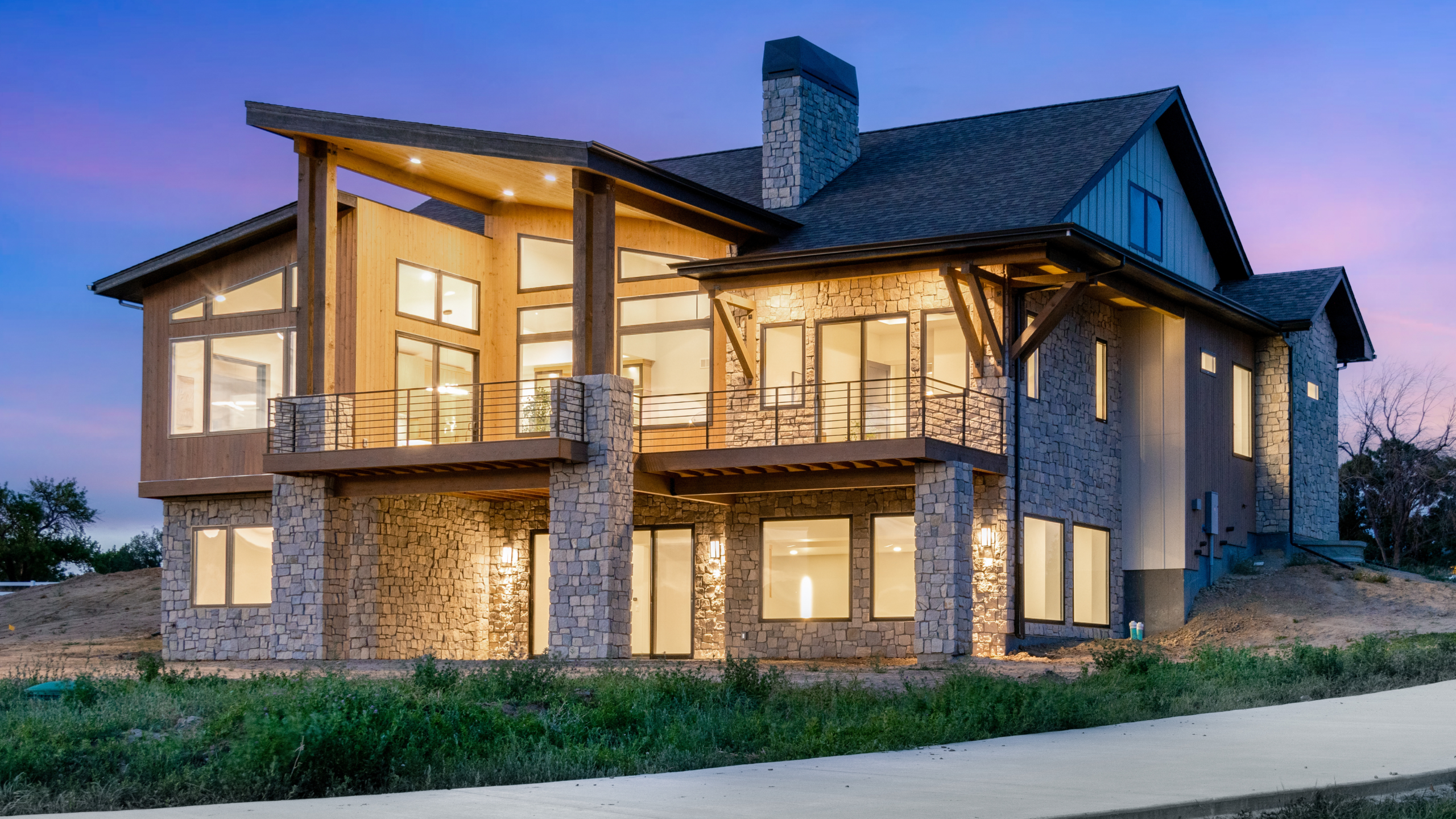
For example, a home designed around Front Range views may need careful window placement, shading, and outdoor space planning. A property with slope may shape the lower level, deck design, foundation, and garage location. A larger lot may create opportunities for privacy, detached structures, gardens, patios, or future improvements.
This is why it helps to review the land before committing to a final plan.
Budget And Financing Need Early Clarity
Building on your lot can include costs that are separate from the home itself.
Site work, driveway construction, utility connections, wells, septic systems, grading, retaining walls, drainage, excavation, engineering, permits, and inspections can all affect the overall investment. Some of these costs are expected. Others depend heavily on the property.
Financing may also be different from buying an existing home. Many custom homes are financed with a construction loan that later converts or is refinanced into a longer-term mortgage, but the details depend on the lender and the homeowner’s situation.
A builder cannot replace the lender, but an experienced builder can help provide information the lender may need, such as a conceptual plan, projected budget, specifications, and construction timeline.
The key is to bring budget and financing into the conversation early.
Builder Involvement Should Happen Early
If you already own land, a builder can help you understand what that land means for the home. If you are still looking for land, involving a builder before you buy can help you avoid preventable surprises.
Early builder involvement can help clarify:
- whether the property fits your goals
- what site conditions need professional review
- how utilities and access may affect cost
- whether a floor plan will work with the land
- what design decisions should happen first
- what budget assumptions need more detail
- what steps should happen before construction
This does not mean the builder makes every decision for you. It means you have a practical guide before the project becomes harder to adjust.
Questions To Ask Before Building On Your Lot
Before moving forward, ask:
- Is the property buildable for the kind of home we want?
- What site conditions need to be reviewed first?
- How will utilities reach the home?
- Will the driveway, access, or grading affect the budget?
- Are there soil, drainage, slope, or engineering concerns?
- What zoning, HOA, easement, or setback rules apply?
- Does the floor plan fit the land?
- What site costs should be separated from the home cost?
- What information will a lender need?
- How early should the builder, architect, and engineer be involved?
Clear answers to these questions can make the next steps easier to understand.
FAQ
Can I build a custom home on land I already own?
Often, yes, but the property still needs to be reviewed. Access, utilities, soils, slope, drainage, zoning, setbacks, easements, and local requirements can all affect what can be built and what it may cost.
Should I talk to a builder before buying land?
In many cases, yes. A builder can help you understand whether the property fits your goals and what site conditions may affect design, budget, access, utilities, and construction timing.
What costs are different when building on your own lot?
Costs may include site work, utility connections, driveway planning, grading, wells, septic systems, excavation, engineering, permits, inspections, and other property-specific requirements. The exact costs depend on the land.
Can I use an existing floor plan on my lot?
Sometimes. Existing floor plans can be customized, but the plan should be reviewed against the property. Slope, views, garage placement, driveway access, outdoor living, and local rules may require changes.
What is the first step after buying land?
The first step is usually a feasibility review. The builder and supporting professionals can help evaluate the land, identify key questions, and determine what needs to happen before design and construction move forward.
Related NoCO Resources
The Takeaway
Building on your lot in Colorado can be a rewarding way to create a home that fits your land, lifestyle, and long-term plans. But the process works best when the property is understood before the design becomes too fixed.
The right builder should help you evaluate the site, understand the practical details, connect the design to the land, and bring clarity to budget and next steps.
If you already own land or are considering a property for a future custom home, NoCO Custom Homes can help you think through the early questions and decide how to move forward with more confidence.