
Quick Answer
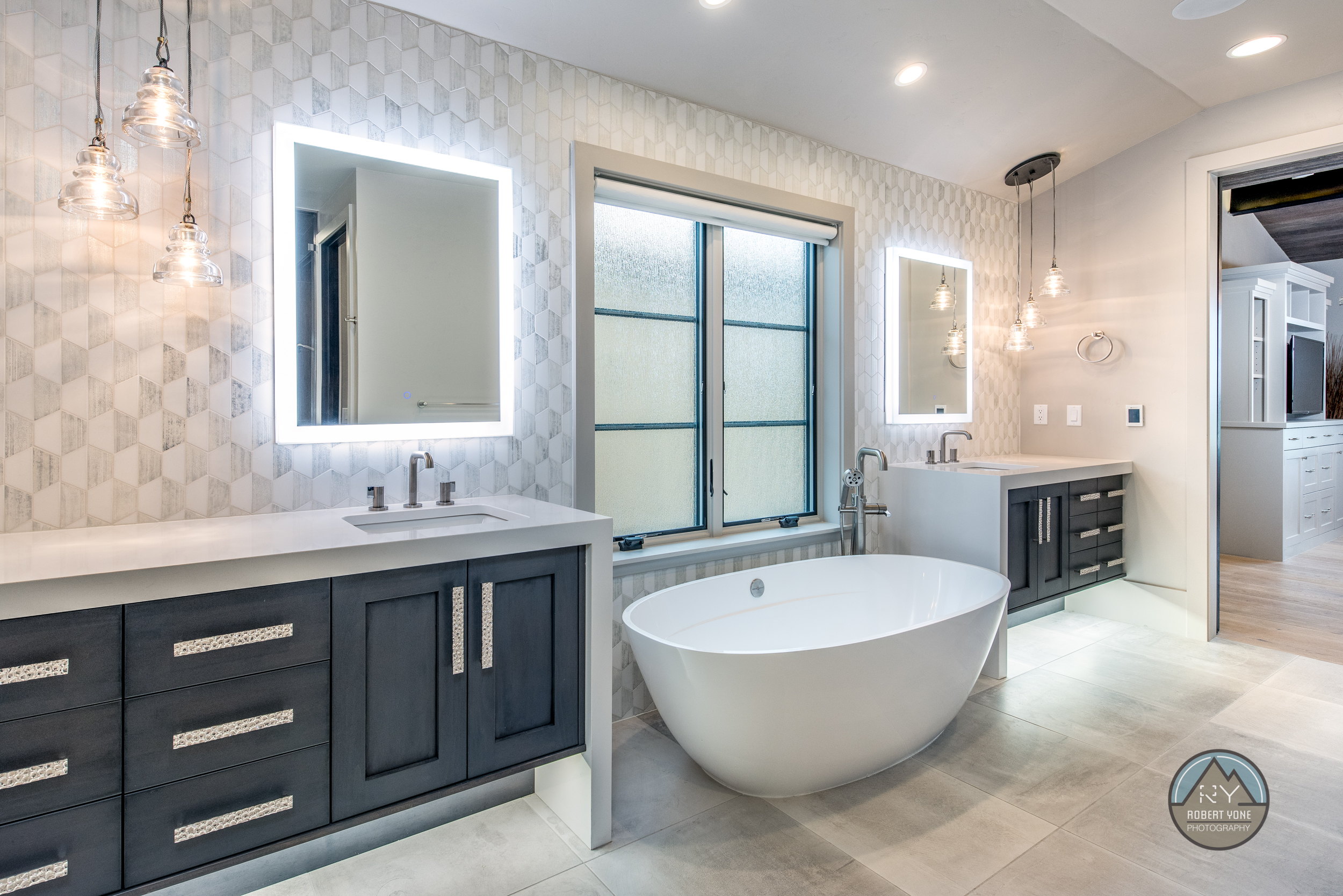
Good bathroom tile combinations balance appearance with how each surface is used. Start with the floor and shower requirements, choose one main material or color direction, then add contrast through scale, texture, pattern, or layout. Review full-size samples together under the room’s actual lighting, and confirm that every tile, finish, grout, edge, and transition is appropriate for its location before ordering.
Table Of Contents
- Start With The Surfaces
- Choose A Clear Design Direction
- Coordinate Floor, Wall, And Shower Tile
- Use Color, Pattern, And Texture With Purpose
- Review Scale, Layout, And Transitions
- Plan Grout, Edges, And Maintenance
- Compare Samples In The Room
- Bathroom Tile Selection Checklist
- Frequently Asked Questions
Start With The Surfaces
Before collecting inspiration, list every tiled surface in the bathroom. A primary bath may include the main floor, shower walls, shower floor, niche, bench, tub surround, backsplash, wainscot, and one or more transitions into nearby flooring. Each location has different visual and practical demands.
Confirm where water exposure, slope, traction, cleaning, edges, penetrations, and movement joints matter. A tile that looks right on a dry wall may not be the right format or finish for a shower floor. Product suitability and installation details should be confirmed with the designer, tile supplier, installer, and other appropriate project professionals.
Choose A Clear Design Direction
Define the room in a few useful words before comparing dozens of samples. Calm and tonal, warm and textural, crisp and graphic, tailored and traditional, or simple with one expressive accent are clearer directions than choosing isolated favorites. Connect that direction to the cabinetry, countertop, plumbing finishes, paint, lighting, and nearby rooms.
A cohesive bathroom does not require every surface to match. It needs a visible relationship. That relationship might come from a shared undertone, repeated shape, similar material character, or one color that appears in several places. Decide which element should lead and which surfaces should stay quiet enough to support it.
Coordinate Floor, Wall, And Shower Tile
One reliable approach uses a grounded floor, a quieter field tile on the shower walls, and a smaller related tile where slope or detail requires it. Another uses the same tile family in different sizes or finishes to create continuity without making every surface identical. A third places the strongest pattern on one surface and uses simpler materials elsewhere.
When comparing bathroom floor and wall tile combinations, look at color temperature as well as color name. Two whites can clash if one reads warm and the other blue-gray. Stone-look patterns can compete if their veining moves in different directions. Place samples beside the countertop, cabinet finish, and metal finishes before deciding.
Use Color, Pattern, And Texture With Purpose
Pattern works best when it has a clear role. A patterned floor can anchor a powder room or guest bath while calm walls keep the room balanced. A textured or handmade-look shower wall can add depth while a restrained floor supports it. Repeating a strong pattern on several unrelated surfaces can make the room feel fragmented.
Texture also changes with light. Glossy surfaces can reflect daylight and fixtures, while matte finishes may feel softer and show the material differently. Deep texture should be reviewed for cleaning and placement, especially in wet areas. The goal is not to follow a trend everywhere; it is to use contrast where it improves the room.
Review Scale, Layout, And Transitions
Tile size and layout affect how the room is read. Large-format tile can reduce the number of grout lines, but it still needs to work with room dimensions, wall openings, niches, drains, slopes, and installation tolerances. Smaller tile can adapt to curves or shower floors and can introduce rhythm, but it creates more joints.
Ask for a layout plan before installation. Review centered features, balanced cuts, alignment with cabinetry and plumbing, niche dimensions, pattern direction, and how tile terminates at doors, windows, ceilings, and adjacent materials. A beautiful sample cannot solve an awkward edge or a poorly considered transition.
Plan Grout, Edges, And Maintenance
Grout color can blend with the tile, emphasize its shape, or create a graphic grid. Review a real grout sample rather than relying on a screen. Confirm joint width, sealant locations, edge profiles, corners, thresholds, drains, and exposed tile edges as part of the selection package.
Discuss cleaning expectations and manufacturer guidance for tile, grout, and natural stone where applicable. Highly textured surfaces, light grout, dark glossy finishes, and some natural materials may each require different care. The best combination is one the homeowner understands and is comfortable maintaining.
Compare Samples In The Room
Collect the full group, not one tile at a time: floor, shower wall, shower floor, accent, grout, countertop, cabinetry, paint, and metal finishes. View the samples vertically and horizontally because light hits them differently. Check them in morning, daytime, and evening light, including the planned decorative and task lighting.
Photographs are useful for direction, but samples reveal scale, undertone, sheen, texture, and variation. Ask what range of color or pattern can appear across multiple pieces, and review more than one sample when the material varies. Record approved product names, colors, sizes, finishes, layouts, grout, trim, and quantities so the design and order stay coordinated.
Bathroom Tile Selection Checklist
| Decision | Questions To Confirm |
|---|---|
| Surface | Where will the tile be installed, and is the product appropriate for that use? |
| Combination | Which material leads, and how do the other surfaces support it? |
| Layout | How will sizes, patterns, cuts, niches, drains, and transitions align? |
| Finish | How do sheen, texture, traction, light, and cleaning affect the choice? |
| Details | Which grout, trim, edge, threshold, and sealant decisions are required? |
| Documentation | Are product, color, size, finish, layout, quantity, and approvals recorded? |
Frequently Asked Questions
Should bathroom floor and wall tiles match?
They do not have to match. They should share a clear relationship through color temperature, material character, shape, pattern, or contrast. Review them together with the room’s other finishes.
How many different tiles should a bathroom use?
There is no universal number. Use only as many as the room and surface requirements justify. A main tile, a floor or shower-floor tile, and one controlled accent can provide variety without making the design feel disconnected.
Can the same tile be used on the bathroom floor and shower wall?
Sometimes, but suitability depends on the specific product, finish, format, surface, and installation. Confirm floor, wet-area, traction, slope, and manufacturer requirements with the project team.
How should I choose grout color?
Choose whether the grout should blend with the tile or emphasize its shape. Review an actual sample beside the tile and confirm joint width, maintenance expectations, and transitions before approving it.
When should bathroom tile be selected for a custom home?
Select it early enough to coordinate layouts, niches, drains, backing, transitions, quantities, availability, and installation sequencing. The builder or project team can identify the decision deadline for the specific home.
Related NoCO Resources
- Custom Bathroom Planning
- Custom Floor Plans
- Our Process
- NoCO Custom Homes Gallery
- Contact NoCO Custom Homes
The Takeaway
Bathroom tile inspiration becomes useful when it turns into a coordinated, buildable selection. Start with surface requirements, define one design direction, compare every finish together, and document the layout and details before ordering. That process produces combinations that feel intentional in photographs and in daily life.